Chinese Centrifugal Pump Manufacturer

Chinese Centrifugal Pump Manufacturer
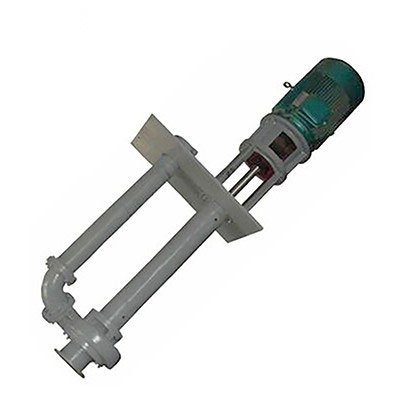
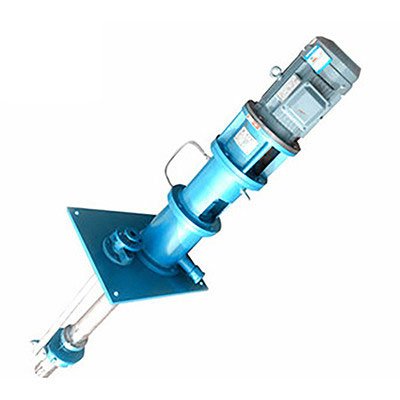
LSB Type High-Temperature Sulfuric Acid Submerged Pump is mainly used for the transportation of high-temperature concentrated sulfuric acid media, and compatible with all other application fields of submerged pumps. Its performance and dimensions comply with DIN24256 / ISO2858 standards, featuring high versatility as well as easy disassembly and maintenance.
The LSB submerged pump extensively draws on domestic and foreign structural design experience of sulfuric acid pumps. It adopts an extended suction pipe to improve the rigidity of the pump unit, ensuring stable and reliable operation. This is a vertical single-stage single-suction cantilever submerged pump. Optimized hydraulic models are developed and selected to deliver stable operation performance with high efficiency and energy saving. Advanced domestic anti-corrosion materials are independently developed and adopted for production.
The wetted parts of the LSB sulfuric acid submerged pump are made of IMRC-1 (Lewmet-55) alloy and Alloy 20, while other components are manufactured from special anti-corrosion cast iron. This design greatly extends the service life of the pump. It is a reliable product for global customers. We sincerely welcome customers for consultation and ordering.
Model Interpretation of LSB High-temperature Concentrated Sulfuric Acid Submerged Pump
Structural Characteristics of LSB Concentrated Sulfuric Acid Submerged Pump
The LSB type submerged pump is a vertical single-stage single-suction centrifugal pump. It is mainly composed of pump casing, pump cover, impeller, shaft, base plate, intermediate connecting pipe, discharge pipe, as well as seal, bearing, coupling and other components.
The axial thrust is mainly balanced by impeller back vanes.
The residual axial force and rotor weight are borne by rolling bearings.
The pump can make full use of its suction lift. Extending the suction pipe can increase the insertion depth of the pump assembly.
However, the liquid level must be higher than the center line of the impeller before startup.
Rotation Direction: Counterclockwise when viewing from the motor end towards the pump end.