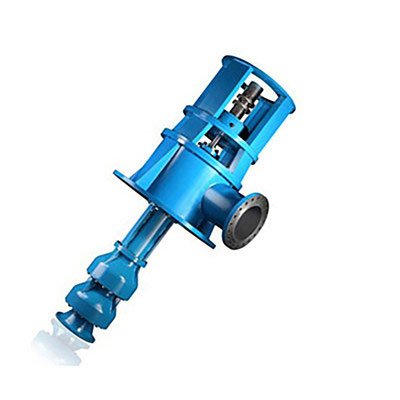
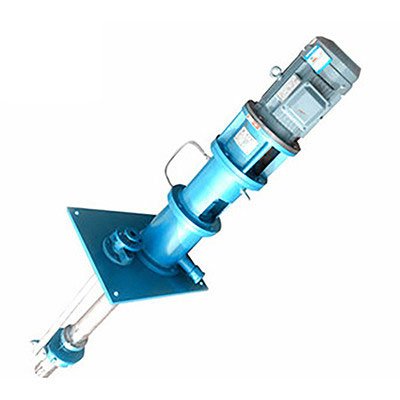
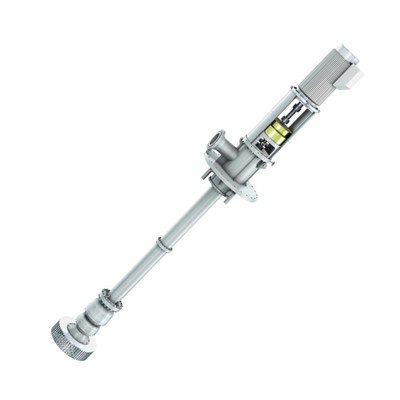
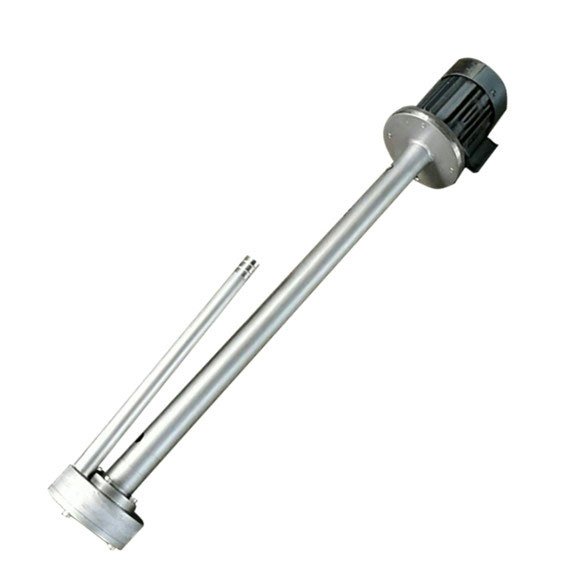
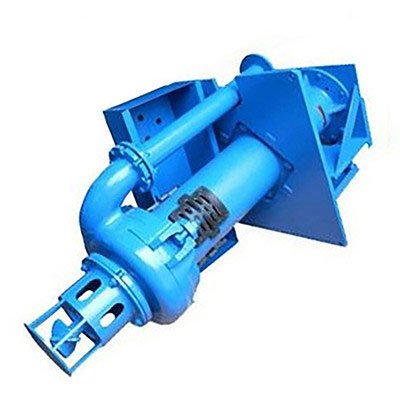
Вертикальный насос с длинным валом серии HLC представляет собой передовую и отработанную серию, разработанную с учетом передового отечественного и зарубежного опыта в области проектирования и производства, а также с учетом потребностей рынка.
Он подходит для транспортировки чистой воды, сточных вод, содержащих определенное количество твердых частиц (таких как железный лом, песок, угольная пыль), коррозионных промышленных сточных вод и морской воды. Температура транспортируемой жидкости не должна превышать 80 ℃.
Он широко применяется на станциях очистки сырой воды, станциях очистки сточных вод, в металлургии и черной металлургии (особенно для транспортировки воды, используемой для удаления окалины, в вихревых отстойниках этих предприятий), на электростанциях, в горнодобывающей промышленности, в сфере коммунального строительства и в проектах по орошению сельскохозяйственных угодий.
Конструктивные особенности многоступенчатого погружного насоса HLC с длинным валом
Вертикальный насос с длинным валом серии HLC имеет впускное отверстие, направленное вертикально вниз, и горизонтальное выпускное отверстие. Он устанавливается на едином фундаменте и имеет прямую муфтовую соединение с двигателем. При виде сверху со стороны двигателя насос вращается против часовой стрелки. Его основные характеристики следующие:
Благодаря оптимизации с помощью программного обеспечения для проектирования гидравлических систем насос демонстрирует превосходные эксплуатационные характеристики. При его разработке были в полной мере учтены требования к износостойкости и коррозионной стойкости рабочих колес и направляющих лопаток, что значительно продлевает срок службы таких уязвимых деталей, как рабочие колеса. Оборудование работает стабильно, безопасно и надежно, отличаясь высокой эффективностью и низким энергопотреблением.
На входе в насос установлен фильтрующий экран с отверстиями соответствующего размера. Он эффективно предотвращает попадание крупных примесей и повреждение насоса, обеспечивая при этом площадь входного сечения, превышающую в 3,5 раза площадь поперечного сечения подъемной трубы, что позволяет снизить потери давления на входе и повысить КПД насоса.
На рабочем колесе предусмотрены уравновешивающие отверстия для компенсации осевой силы. На переднем и заднем кожухах рабочего колеса установлены сменные износостойкие кольца, предназначенные для защиты рабочего колеса и корпуса насоса. Износостойкие кольца имеют специальную конструкцию типа «водослив», которая эффективно предотвращает отложение железной окалины и других примесей в зазоре между кольцами после остановки насоса, что значительно продлевает срок службы износостойких колец и рабочих колес.
Промежуточные валы, подъемные трубы и защитные трубы имеют многосекционную конструкцию. На промежуточных соединительных валах применяется втулочная муфта, которая в десять раз повышает радиальную соосность по сравнению с другими типами муфт и снижает общую вибрацию агрегата более чем на 70%. Количество подъемных труб можно увеличивать или уменьшать для адаптации к различной глубине погружения. Многоступенчатые рабочие колеса и комплекты направляющих лопаток поставляются по выбору для обеспечения различных значений напора.
Подъемные трубы соединяются фланцами, а в их середине расположены направляющие подшипники. Направляющие подшипники изготавливаются из армированного наполненного ПТФЭ или канадского материала Celeron; для сред с температурой выше 55 ℃ в качестве альтернативы может использоваться нитрильный каучук. Вал защищен защитной трубой.
- Для подачи чистой воды: защитную трубу можно не устанавливать, а для опорных подшипников не требуется внешняя вода для охлаждения/смазки.
- Для транспортировки сточных вод: для опорных подшипников обязательно необходимо использование внешней воды для охлаждения и смазки.
На объектах, где отсутствует чистая вода или стоимость воды высока, можно установить специальное вспомогательное сооружение. Перекачиваемая среда после фильтрации и седиментационного отделения может использоваться для охлаждения и смазки опорных подшипников.
Система смазочной воды может быть оснащена реле расхода и давления. Насос не может запуститься, если перед началом работы расход воды ниже номинального значения. В случае нехватки воды или потери давления, вызванной засорением трубопровода во время работы, реле включает сигнализацию с звуковым сигналом и красным сигнальным светом в диспетчерской. Операторы могут открыть перепускной клапан для обеспечения достаточной подачи воды и проведения диагностики неисправностей. Данная система управления поддерживает дистанционное управление.
Остаточная осевая сила и вес роторного узла принимаются на себя упорным подшипником, расположенным внутри основания двигателя, либо двигателем, оснащенным встроенным упорным подшипником. Упорный подшипник имеет систему тонкой масляной смазки с внешним водяным охлаждением и может быть оснащен датчиками температуры.
В насосе для уплотнения вала используется сальниковое уплотнение. В местах установки сальникового уплотнения и опорного подшипника установлены сменные втулки вала, предназначенные для защиты главного вала. Осевое положение рабочего колеса можно легко отрегулировать с помощью регулировочной гайки, расположенной в верхней части подшипникового узла или внутри муфты насоса.
Насос может быть оснащен шкафом управления, обеспечивающим автоматический запуск/остановку в зависимости от уровня жидкости, сигнализацию перегрузки, удаленный мониторинг в режиме реального времени и другие функции, а также позволяющим осуществлять сетевое централизованное дистанционное управление несколькими насосами. Насосы с диаметром более 500 мм оснащены системой автоматического сброса давления.