Китайский производитель центробежных насосов

Китайский производитель центробежных насосов
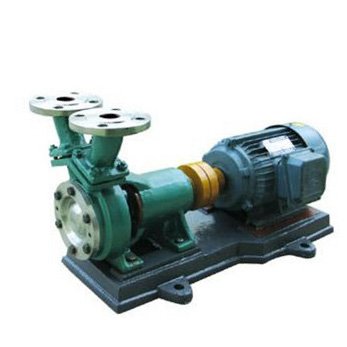
Рабочее колесо регенеративного турбонасоса представляет собой диск равномерной толщины с множеством небольших радиальных лопаток, расположенных по обе стороны от его внешнего края. На корпусе насоса, в соответствии с лопастями, имеется кольцевой проток постоянного поперечного сечения, который разделен перегородкой на всасывающую и нагнетательную стороны, соединенные соответственно с всасывающим и нагнетательным трубопроводами насоса.Поскольку жидкость внутри насоса вращается вместе с рабочим колесом, она развивает определенную центробежную силу, выбрасывается наружу в кольцевой канал в корпусе и, под действием ограничений формы канала, вынуждена течь обратно, вновь поступая в следующий лопастной канал от основания лопастей. Таким образом, траектория движения жидкости между лопастями и кольцевым каналом представляет собой прямую спираль относительно неподвижного корпуса насоса и обратную спираль относительно вращающегося рабочего колеса. Регенеративный турбинный насос получил своё название именно из-за этого вихревого движения жидкости. Жидкость может многократно и непрерывно поступать между лопастями, набирая энергию, пока не будет выпущена через выпускное отверстие. Принцип работы регенеративного турбинного насоса в некоторой степени схож с принципом работы многоступенчатого центробежного насоса, однако в нём отсутствуют устройства преобразования энергии, такие как спиральная камера или направляющие лопатки, как в центробежных насосах. Регенеративные турбинные насосы передают энергию жидкости главным образом посредством многократных непрерывных ударов, что позволяет им создавать относительно высокое давление. В процессе передачи энергии происходят значительные потери энергии из-за многократных ударов жидкости, что приводит к относительно низкому КПД насоса, как правило, от 20% до 50%.
Регенеративные турбонасосы подходят только для применений, требующих низкого расхода (1–40 м³/ч) и высокого напора (до 250 м), таких как пожарные насосы, бензонасосы для автоцистерн по заправке самолетов, небольшие питающие насосы для котлов и т. п.Они могут перекачивать легколетучие и газосодержащие жидкости, но не должны использоваться для перекачки вязких жидкостей с вязкостью более 7 Па·с или загрязнённых жидкостей, содержащих твёрдые частицы.
Особенности регенеративных турбонасосов: небольшой расход, высокий напор и самовсасывающая способность. Они подходят для перекачивания жидкостей, схожих с водой, не содержащих твердых частиц и имеющих вязкость менее 5°E, таких как бензин, керосин, спирт и т. д. Типичные области применения включают подпитку воды в небольших паровых котлах, химическую промышленность, фармацевтику, водоснабжение высотных зданий и т. д.Детали, контактирующие с рабочей средой, могут изготавливаться из нержавеющей стали и других материалов для работы с коррозионными жидкостями, такими как кислоты и щелочи. Допустимый диапазон температур перекачиваемой среды составляет от -20 ℃ до +80 ℃.
По конструкции их можно разделить на: одноступенчатые, двухступенчатые, многоступенчатые; с непосредственным соединением и т. д.
Области применения регенеративных турбонасосов
Одноступенчатые турбонасосы типа W с непосредственным соединением используются для перекачки чистой воды или жидкостей, физические и химические свойства которых аналогичны свойствам воды, при температуре не выше 60 ℃.Они широко используются в качестве насосов для подачи питательной воды в котлы и находят широкое применение в судостроении, легкой промышленности, текстильной промышленности, химической промышленности, металлургии, машиностроении, аквакультуре, системах стабилизации давления в стационарных противопожарных системах, теплообменных установках, сельскохозяйственном дождевании на большие расстояния и других областях.
Компактные размеры и небольшой вес регенеративных турбонасосов обеспечивают значительные преимущества при использовании в морских условиях.
Они обладают самовсасывающей способностью или могут обеспечить самовсасывание с помощью простых вспомогательных устройств.
Благодаря кривой характеристики с резким спадом они нечувствительны к колебаниям давления в системе.
Некоторые турбонасосы регенеративного типа позволяют перекачивать газожидкостные смеси, что важно при работе с летучими жидкостями, содержащими газ, и высокотемпературными жидкостями с высоким давлением паров.
Они отличаются простой конструкцией, что облегчает процессы литья и механической обработки. Некоторые детали могут изготавливаться из неметаллических материалов, таких как пластик и нейлоновые формованные рабочие колеса.
Недостатки регенеративных турбонасосов
Низкий КПД, как правило, не превышающий 55%, причем большинство насосов достигают лишь 20–40%, что сдерживает их развитие в направлении применения в системах с высокой мощностью.
Низкая эффективность кавитации.
Не подходит для высоковязких сред. С увеличением вязкости жидкости напор и КПД резко снижаются. Вязкость среды не должна превышать 114 сСт.
Строгие требования к радиальному и осевому зазорам между рабочим колесом и корпусом насоса создают сложности при изготовлении и сборке.
Подходит только для перекачки чистых жидкостей. Твердые частицы вызывают износ, который приводит к увеличению зазоров, ухудшению рабочих характеристик или выходу насоса из строя.